
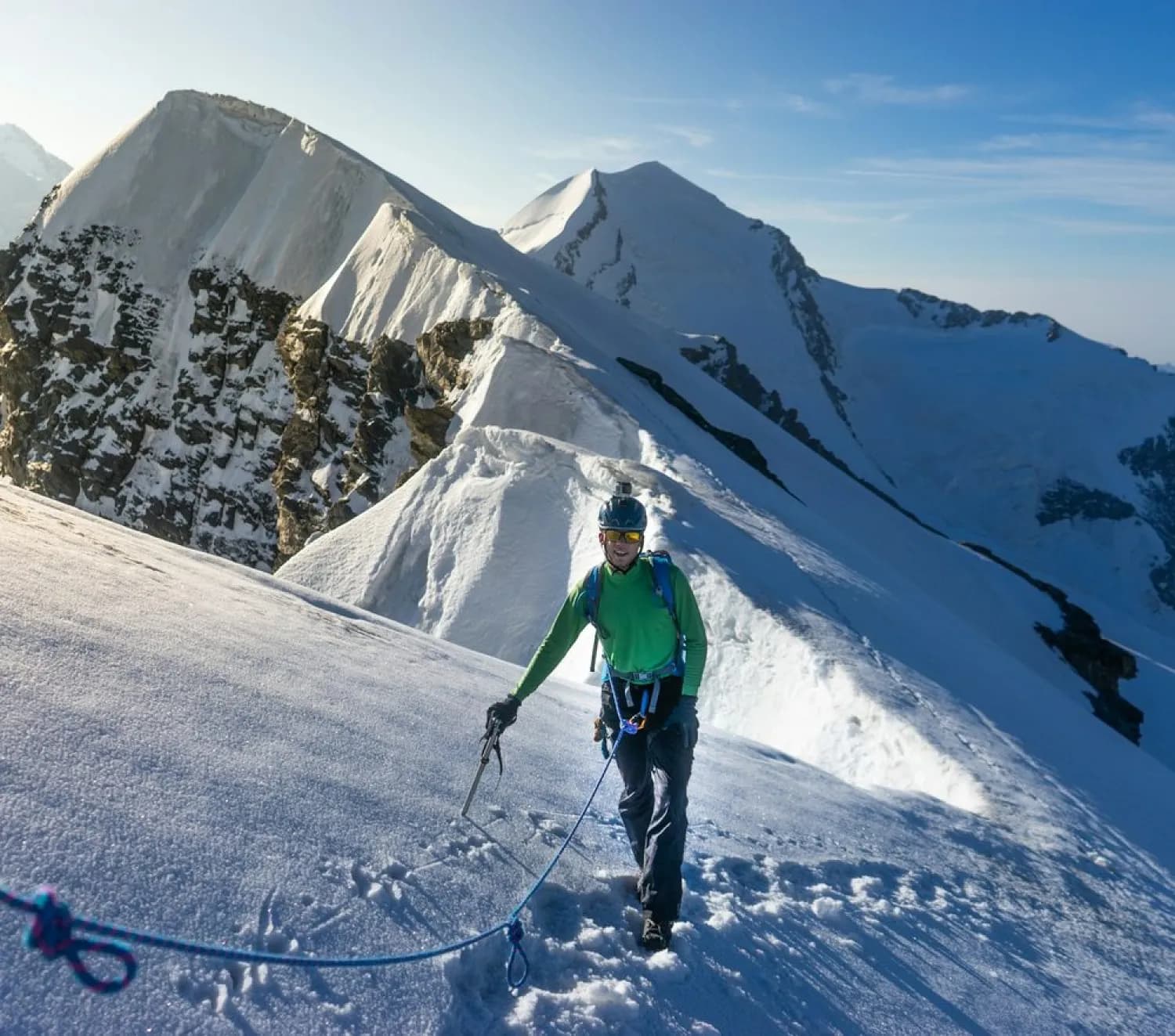
How we respond
Every call sets a team of trained locals in motion, often from the valley right below.
A call comes in from a guide, a teahouse or a satellite phone. We find the nearest trained volunteer, coordinate helicopter and ground teams around the weather, and stay on the line until the climber is off the mountain. Our responders are vetted, trained to clear protocols and drawn from the communities that live beside these peaks.
Talk to the rescue team- Rescue operations a year
- 800+
- Where every minute counts
- 5,500 m
- Mortality in rescues above it
- 2–4%
- HAPE recovery with fast treatment
- 95%
Sources: Himalayan Rescue Association; Nepal Department of Tourism; Himalayan Database. Composite estimates.
How we reach people
From the ridge, all the way home.
Weather, altitude and terrain decide how we reach someone. Every rescue moves through the same four links, and we stay with the climber through each one.
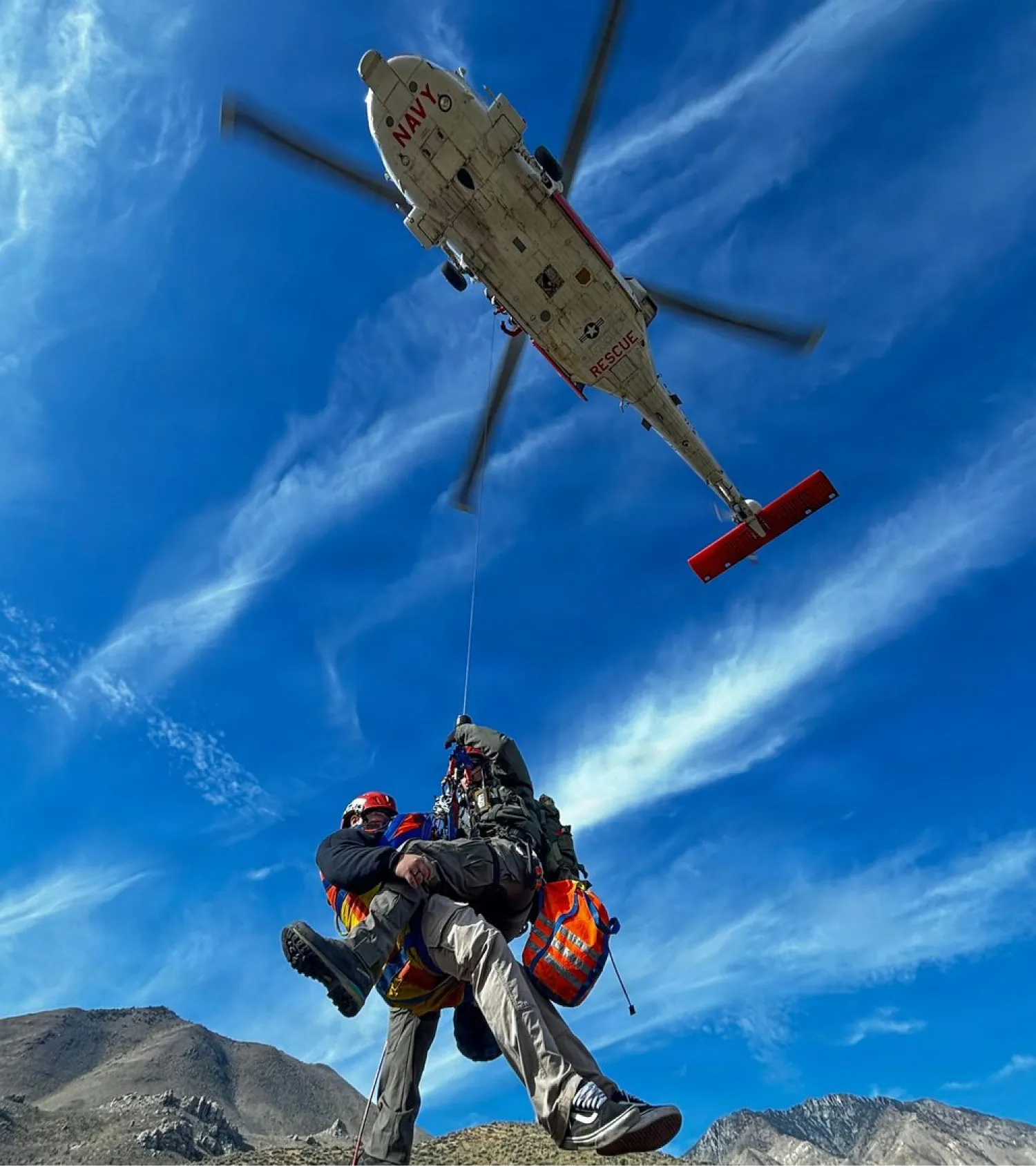
01By air
Long-line evacuation
Where no helicopter can land, a crew lowers a rescuer on a line and lifts the climber straight off the ridge.
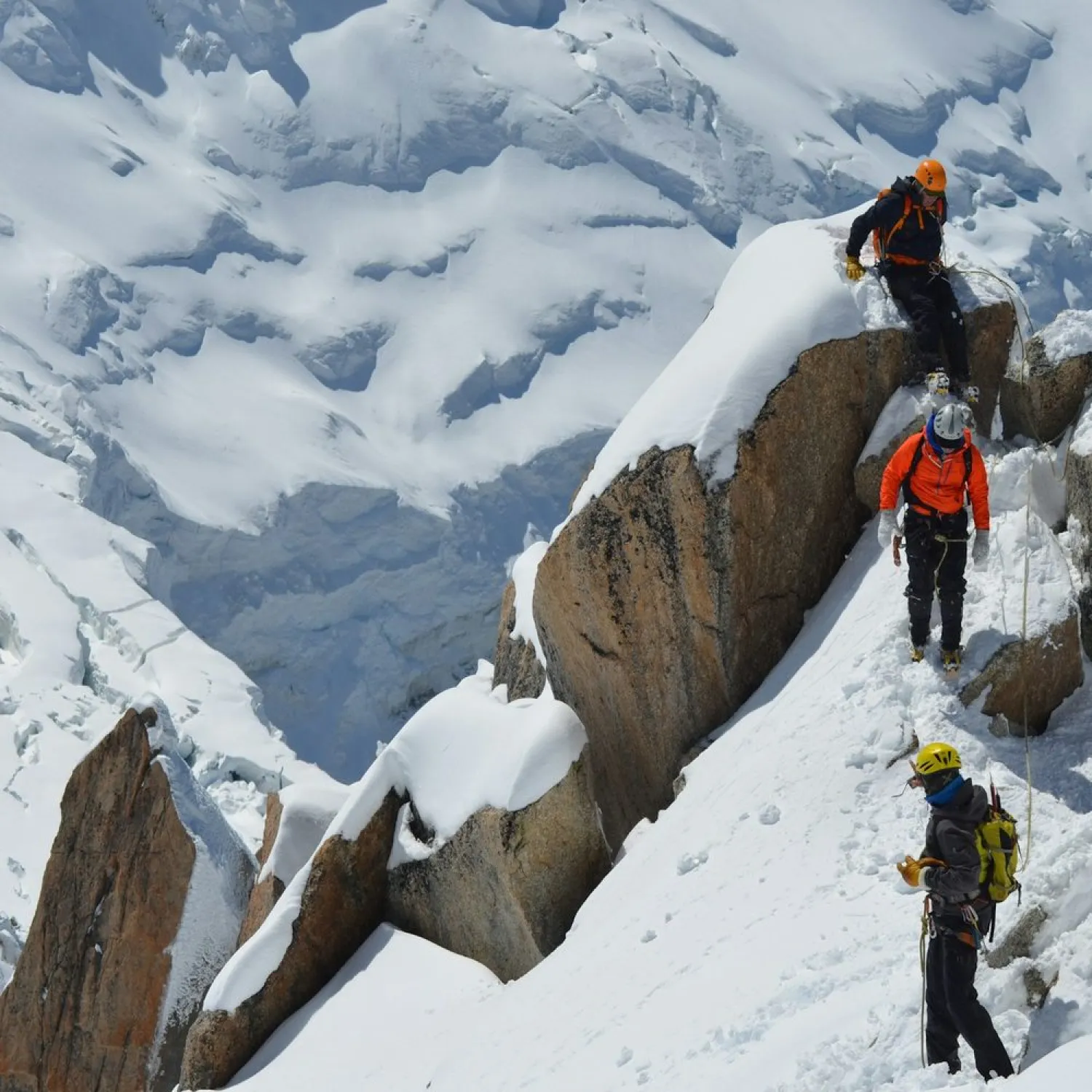
02On foot
Ground response
When cloud grounds the helicopters, roped teams from nearby villages climb to the climber and bring them down by hand.
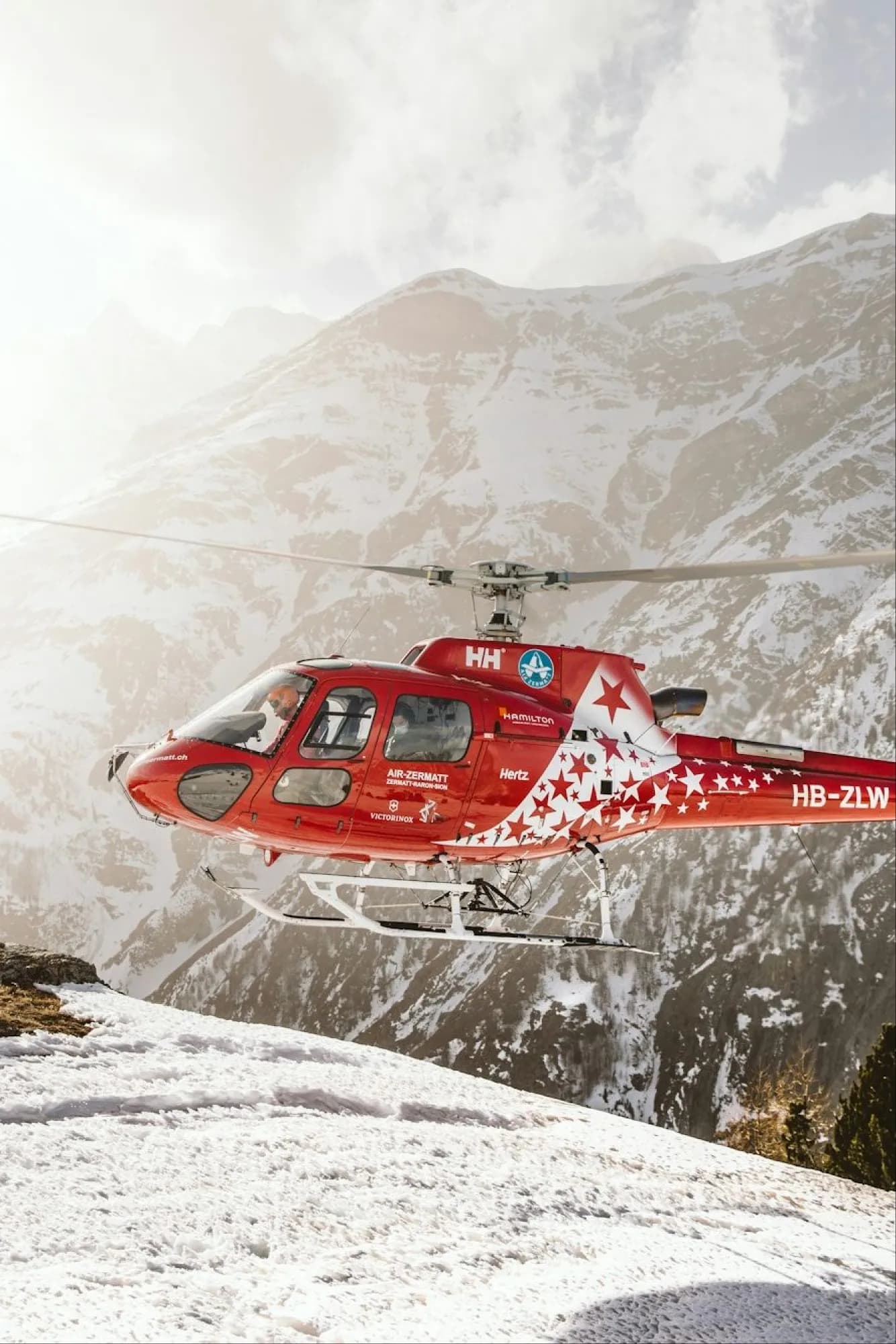
03Handover
Into medical care
We coordinate the landing, the transfer and the hospital, and stay on the line until the climber is in a doctor's hands.
04Recovery
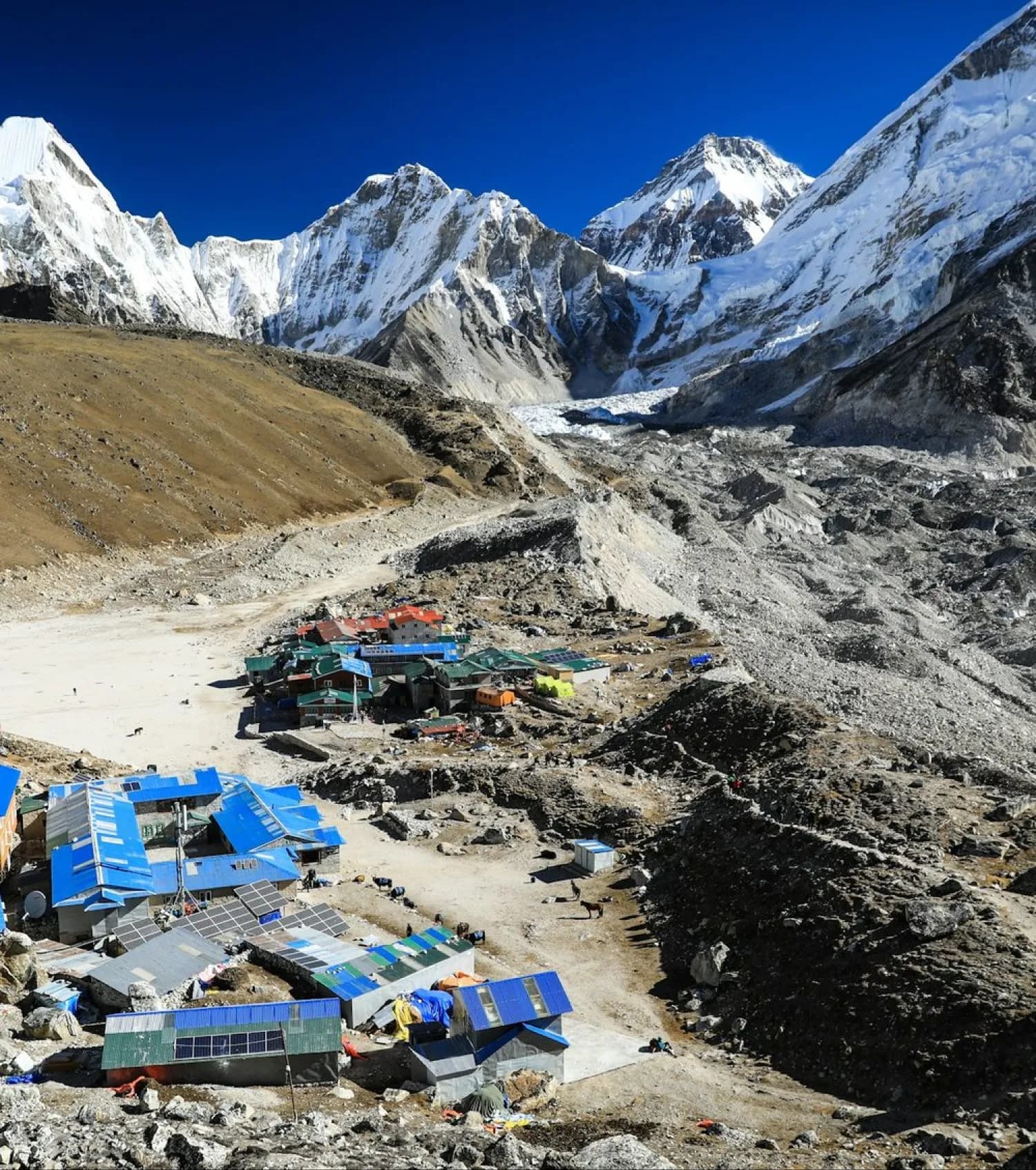
Bringing them home
Some never make it down. We recover climbers left on the mountain and return them to their families wherever we can.
Rescue · Recovery · Rehabilitation
One journey, three stages
We stay with people from the moment something goes wrong on the mountain until they're back on their feet at home.
- 01
Rescue
Reaching people in trouble and bringing them down safely.
- 02
Recovery
Treatment, paperwork and family support after the landing.
 03
03Rehabilitation
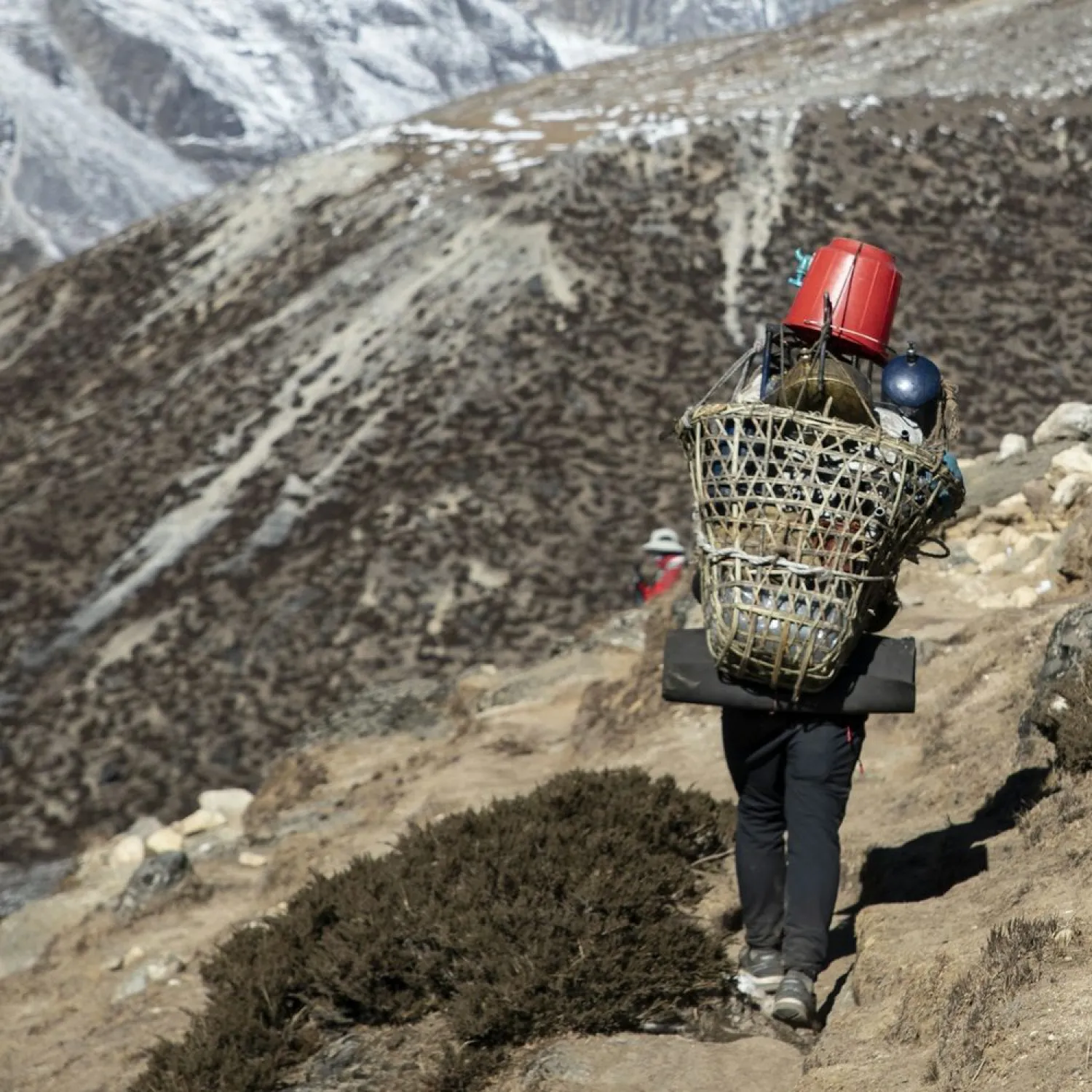
Rebuilding strength, a livelihood and a family's future.
Join the network
Someone has to show up. Make it you.
From the first call on the ridge to the first day back at work, all of this runs on people who give their time and skills. Bring what you know, and we'll put it where it's needed most.
Volunteer with us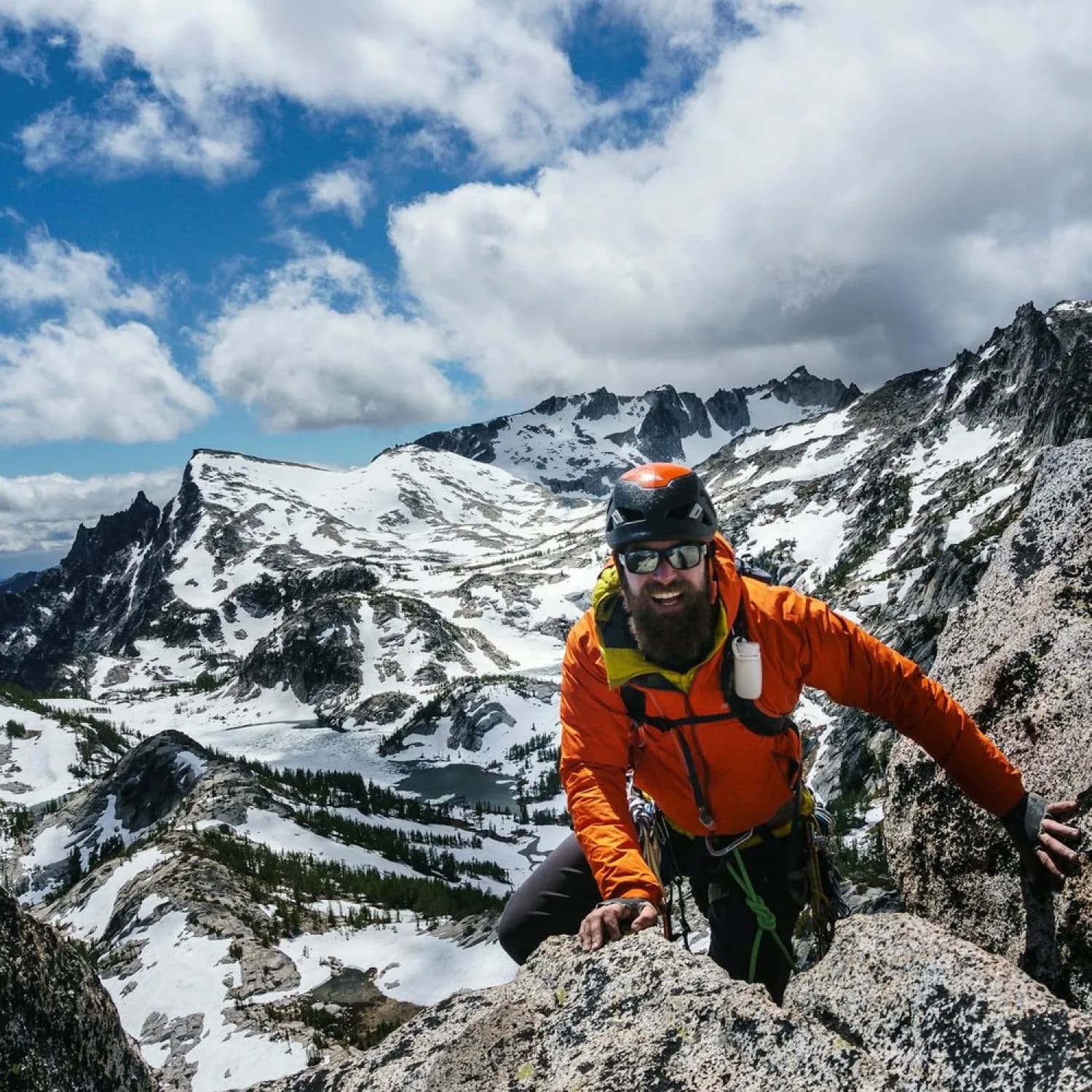 01
01Climbers and guides
You know the routes, the weather and the people. Help us reach climbers in trouble and bring them down.
Volunteer for rescue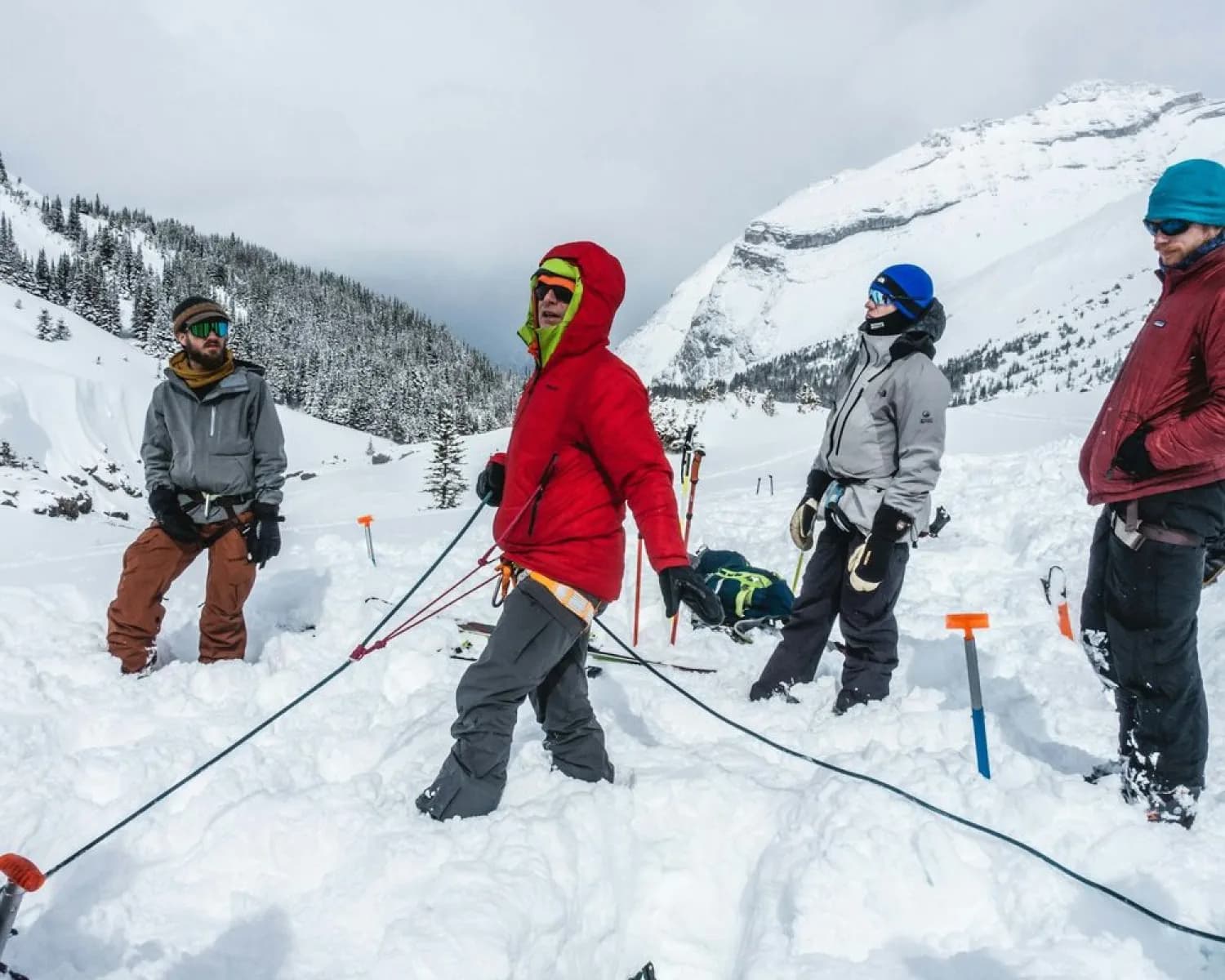 02
02Medics and therapists
Treat climbers at altitude, follow them through hospital and help them get strong again.
Volunteer as a medic 03
03Supporters and sponsors
Fund a rescue, a hospital stay, or a family's household while someone heals.
Support the work
Join Our Community
Get field dispatches, specific breakthroughs, and stories of impact from the places we work — delivered directly from our team. By subscribing, you agree to our terms of use.