
What we take on
The helicopter lands. For most families, that's when the hard part begins.
Survivors come down hurt, exhausted and often far from anyone they know. We take the weight that isn't medical, so they and their families can focus on getting better.
01Treatment
What they face
A hospital in Kathmandu, days from home, in a system they have never had to navigate.
What we do
We work with partner hospitals, follow the treatment plan and make sure nothing falls between doctors.
02Paperwork
What they face
Insurance claims, evacuation invoices and medical reports, often in a second language.
What we do
We gather the records, file the claims and chase them until they are settled.
03Family
What they face
Relatives at home waiting for news, sometimes on the other side of the world.
What we do
One person on our team keeps the family informed every day, in their own language.
04Costs
What they face
Guides and porters often have no insurance and no savings to cover care.
What we do
We help fund treatment for local mountain workers, so no one goes without care over a bill.
05Follow-up
What they face
Frostbite, fractures and brain injuries don't heal by discharge day.
What we do
We check in for months afterwards and connect people to rehabilitation when they need it.
The road back
Recovery has no single finish line
We walk every stretch of it, from the landing pad to the first day back on the trail.
Hour one
The handover
We meet the helicopter, brief the doctors and tell the family where their person is.
Week one
In treatment
Daily contact with the ward, translation at the bedside and the claims started early.
Discharge
Getting home
Travel, a place to rest and medicine to take home, arranged before they leave the ward.
Months on
Follow-up
Check-ups, calls and rehabilitation until life, at home or on the trail, is back on its feet.
Rescue · Recovery · Rehabilitation
One journey, three stages
We stay with people from the moment something goes wrong on the mountain until they're back on their feet at home.
 01
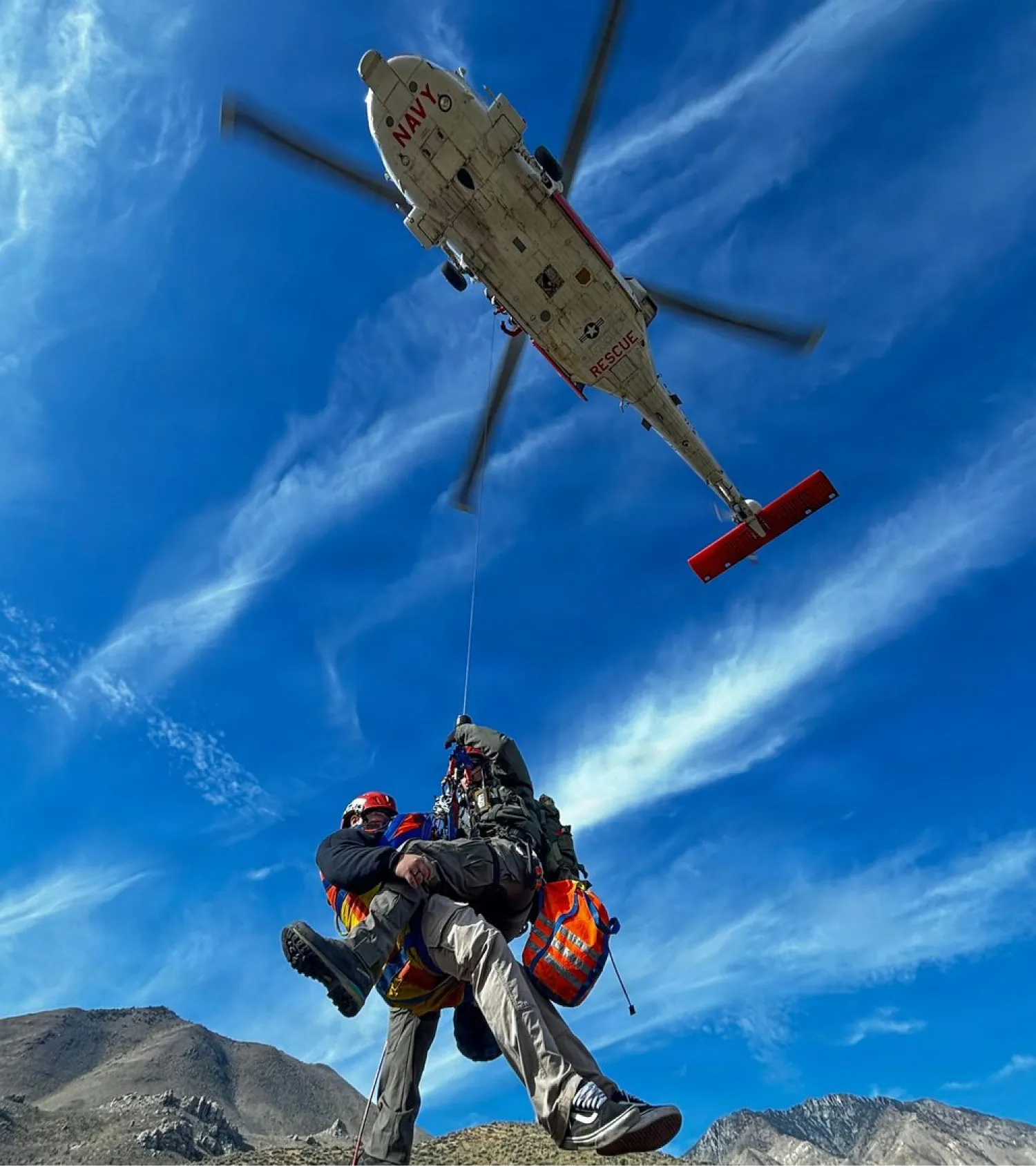
01Rescue
Reaching people in trouble and bringing them down safely.
 02
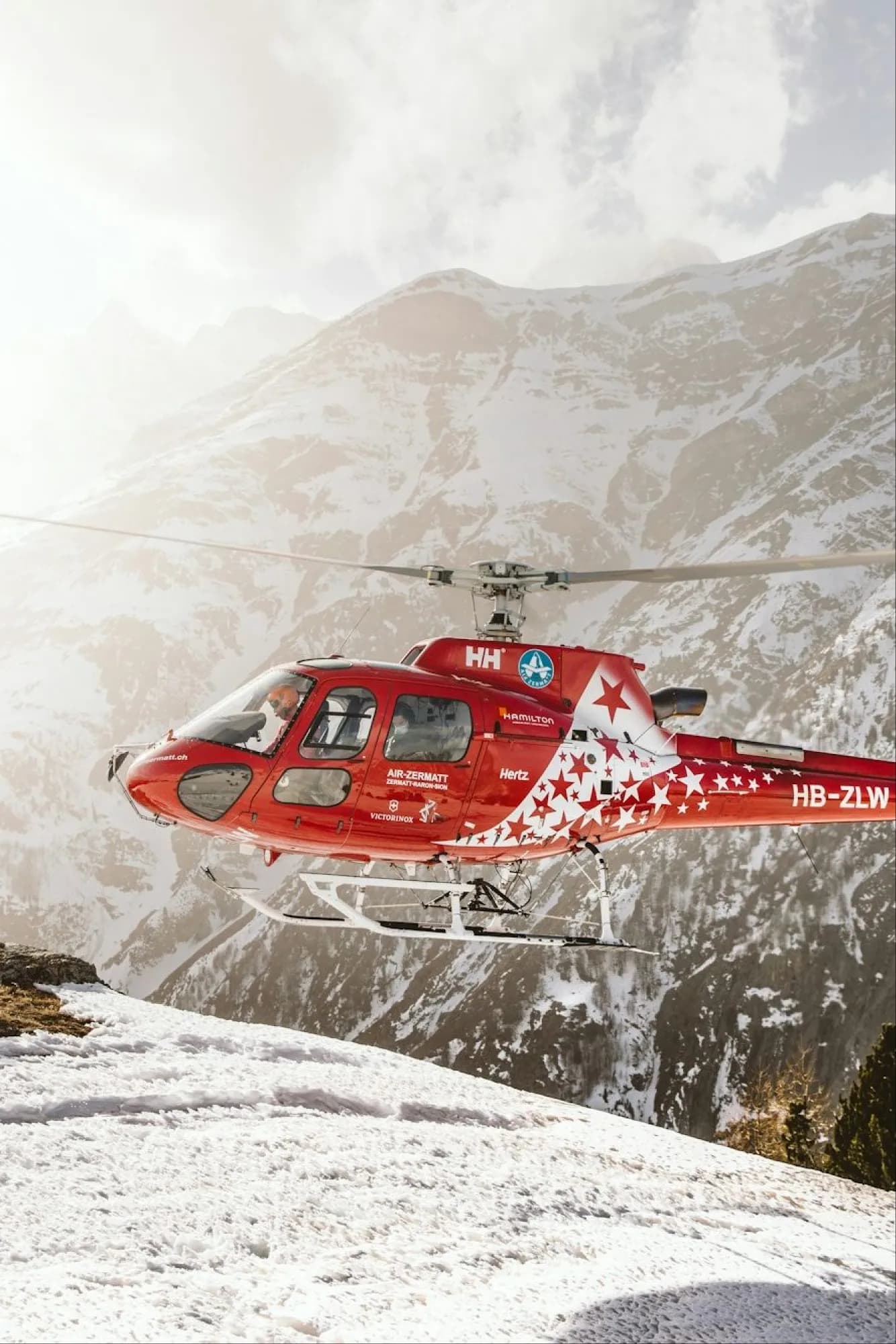
02Recovery
Treatment, paperwork and family support after the landing.
 03
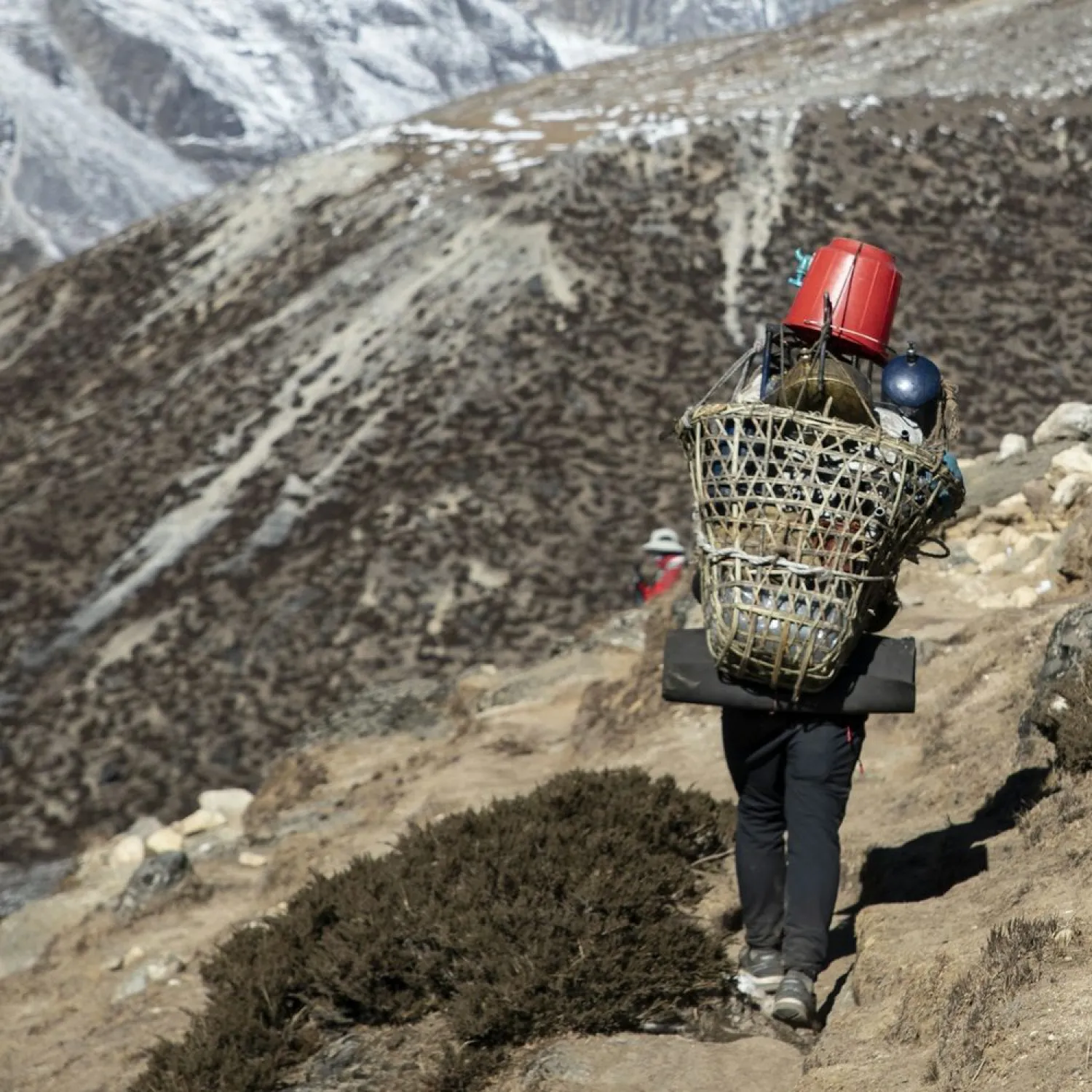
03Rehabilitation
Rebuilding strength, a livelihood and a family's future.
Join the network
Someone has to show up. Make it you.
From the first call on the ridge to the first day back at work, all of this runs on people who give their time and skills. Bring what you know, and we'll put it where it's needed most.
Volunteer with us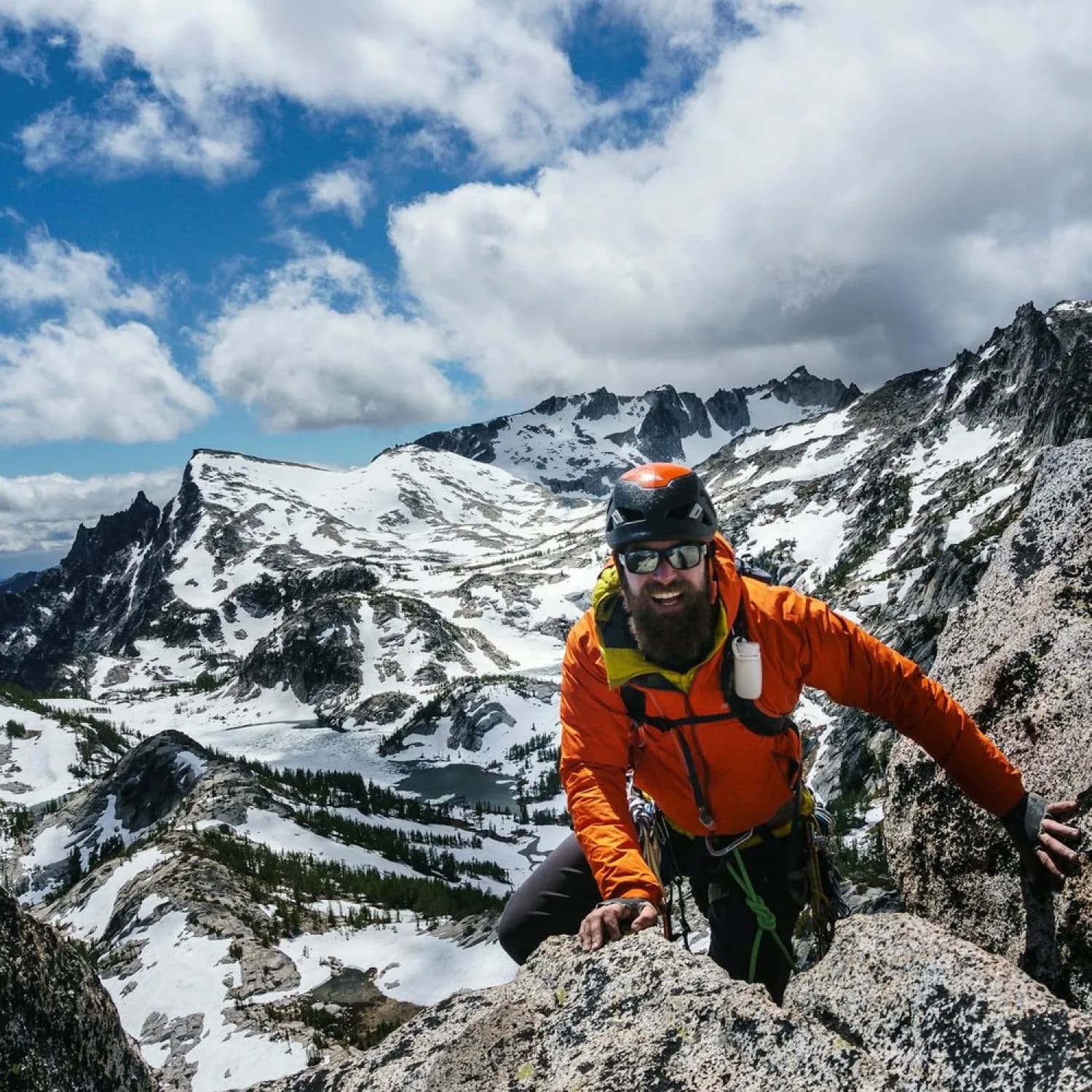 01
01Climbers and guides
You know the routes, the weather and the people. Help us reach climbers in trouble and bring them down.
Volunteer for rescue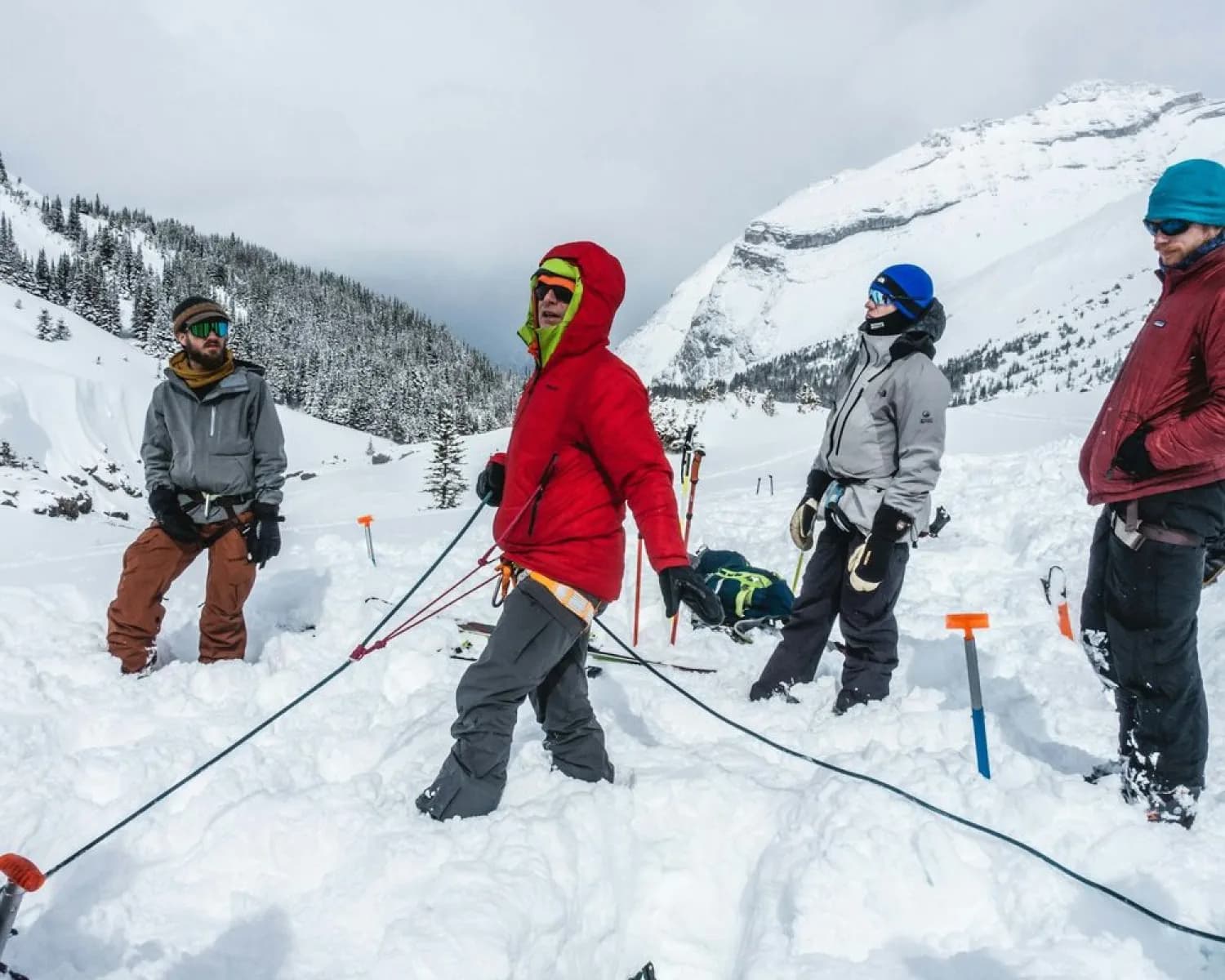 02
02Medics and therapists
Treat climbers at altitude, follow them through hospital and help them get strong again.
Volunteer as a medic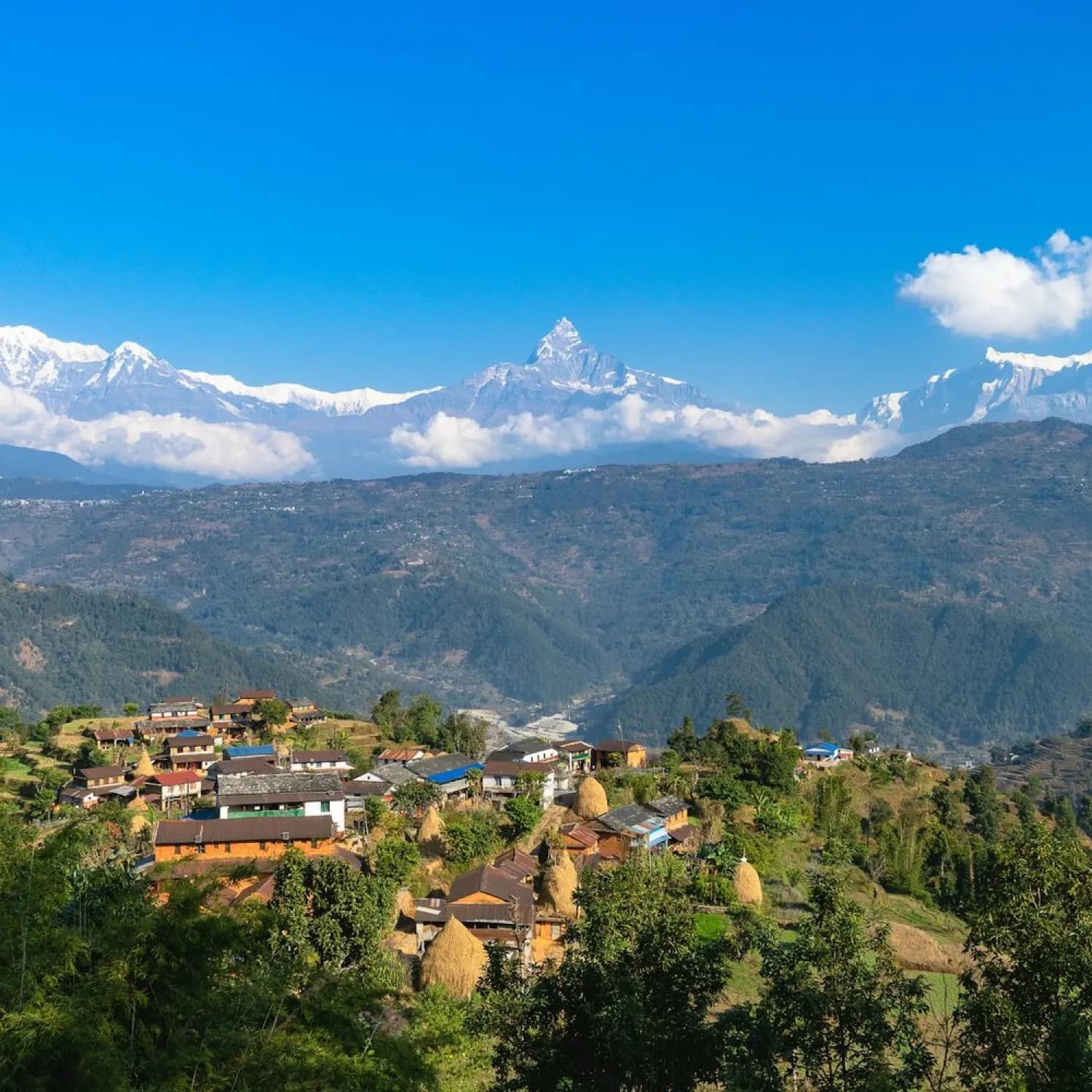 03
03Supporters and sponsors
Fund a rescue, a hospital stay, or a family's household while someone heals.
Support the work
Join Our Community
Get field dispatches, specific breakthroughs, and stories of impact from the places we work — delivered directly from our team. By subscribing, you agree to our terms of use.