- Research
- Health
The next generation of high-altitude health research
Dr. Anjali Thapa · Head of Research
5 min read
A new partnership brings portable diagnostics to base camps, helping clinicians spot HACE and HAPE earlier.
Diagnosing high-altitude cerebral and pulmonary oedema in the field still relies heavily on judgement. A new partnership between the foundation and two university hospitals aims to change that by putting portable diagnostics in base-camp clinics.
What the study will measure
- Lung ultrasound to detect early fluid build-up before symptoms become severe.
- Optic nerve sheath measurements as an early marker of raised pressure in the brain.
- Continuous oxygen saturation paired with symptom scores during ascent.
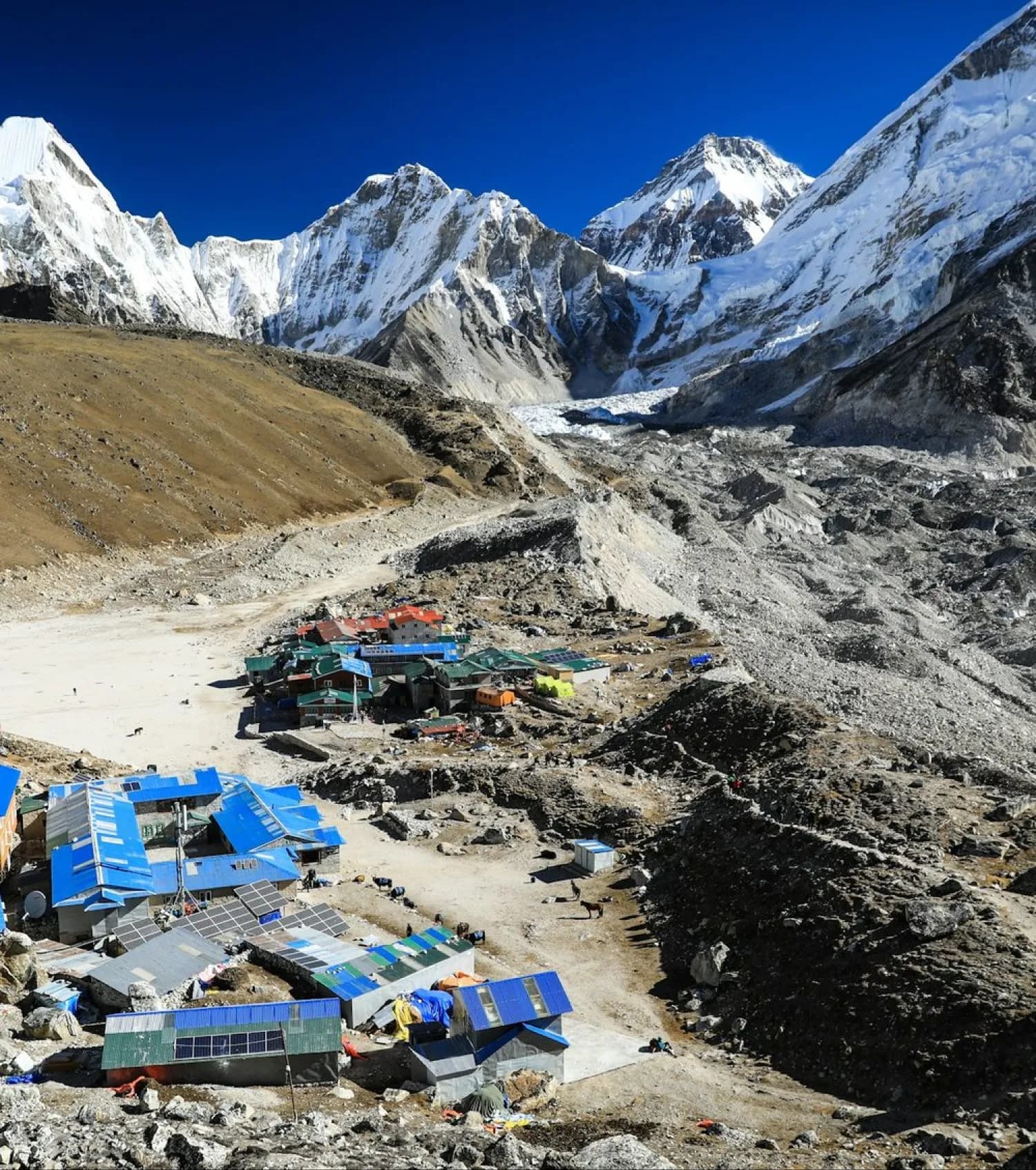
Clinicians at Everest and Manaslu base camps will be trained to use the devices, and the anonymised data will help build clearer guidelines for when to descend, treat, or evacuate.
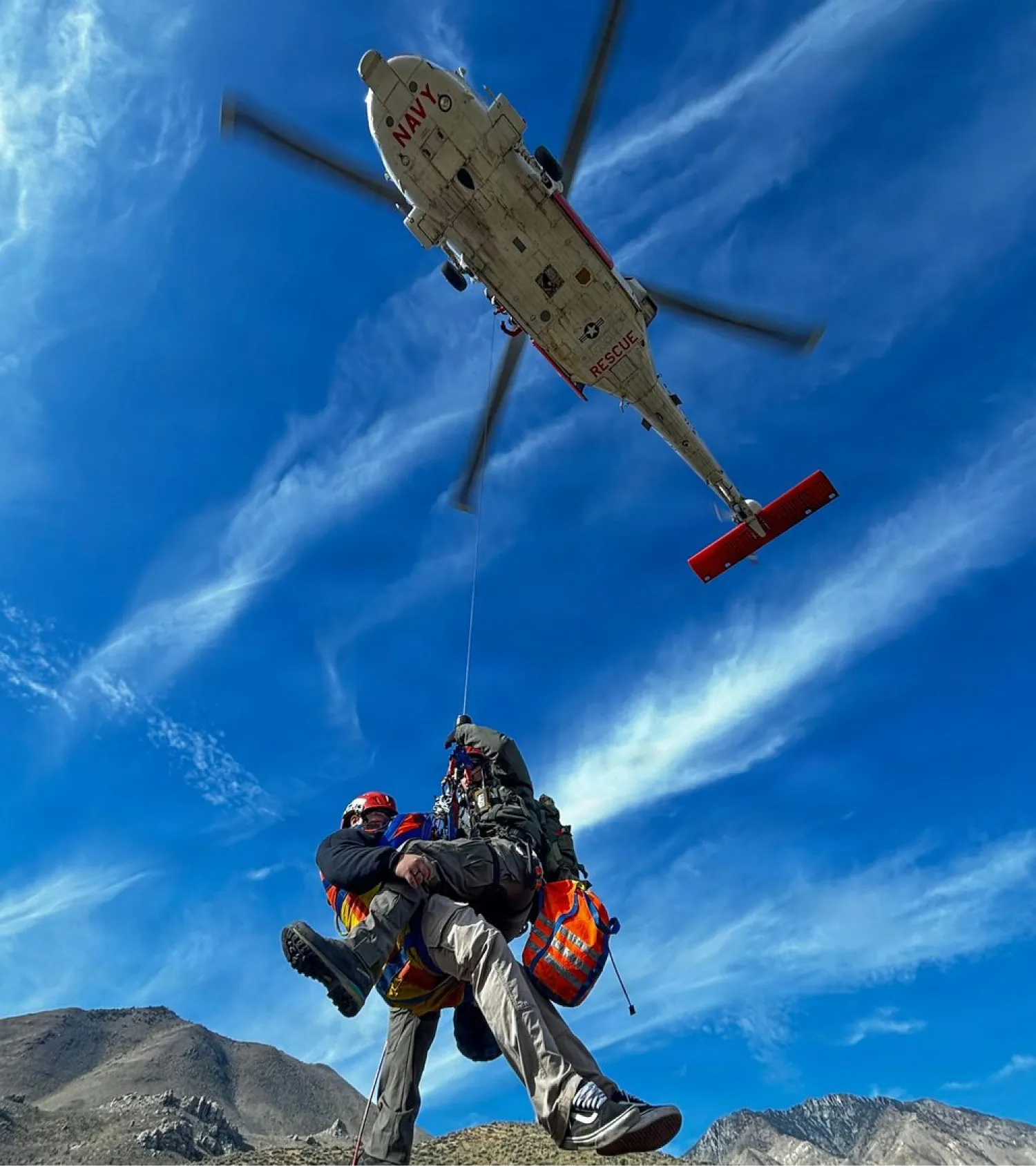
“If we can spot oedema a day earlier, we turn a helicopter evacuation into a walk down the valley.”
Results from the first season will be published openly so that clinics across the Himalaya can use them.
Share